

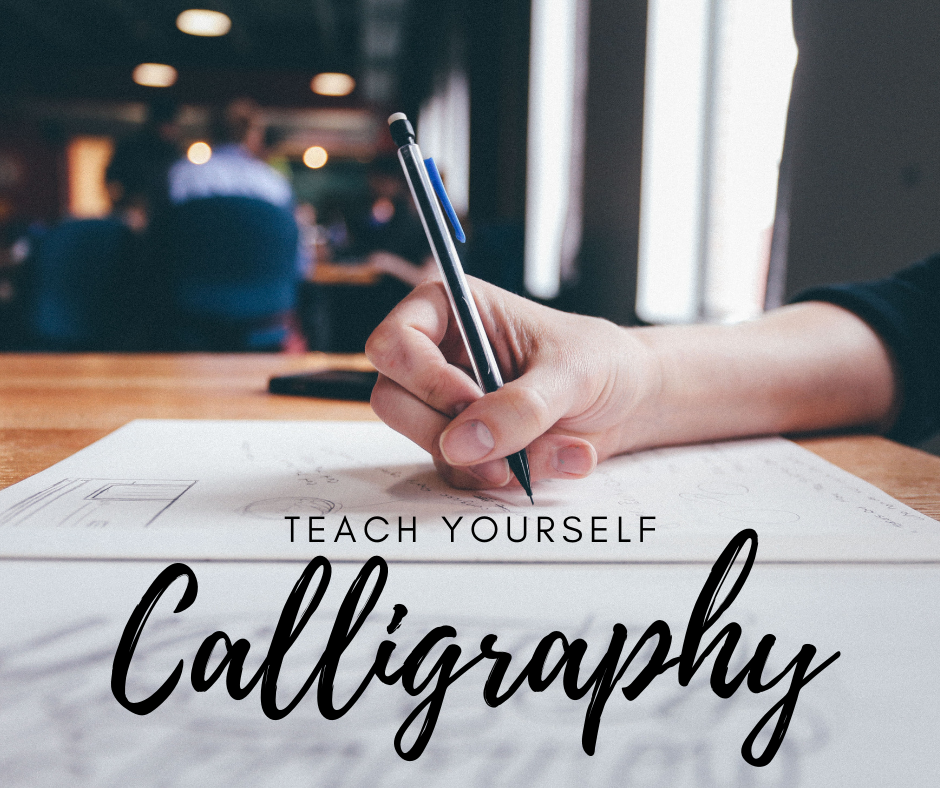
For years, I’ve told myself I wanted to learn calligraphy. Not the traditional, ornate kind with ink pots and feather quills—but the modern, playful version that feels more approachable and creative. The other day, while wandering through the Amazon store at Palisades Village, I spotted a pastel set of Tombow Dual Brush Pens. It felt like a sign. So I picked them up, grabbed a lettering guidebook, and finally began teaching myself modern calligraphy.
I’ll be calling it calligraphy throughout this post, but to be clear, this is technically modern calligraphy (also called hand lettering). It’s less formal than traditional calligraphy, which typically uses dip pens and strict letterforms. Modern calligraphy is more about personality, creativity, and flow. And honestly? That’s what makes it so much fun.
Why Anyone Can Learn Calligraphy
Here’s the truth: you don’t need perfect handwriting, artistic talent, or a box full of expensive tools to get started. If you can hold a pen, you can learn modern calligraphy.
When I first started, my practice sheets looked rough. The letters were uneven, the strokes were shaky, and nothing resembled the graceful scripts I admired online. But over time, things shifted. The more I practiced, the more natural it felt. In fact, calligraphy has even improved my everyday handwriting.
The key is to give yourself permission to be a beginner. Your first attempts will not look Instagram-worthy—and that’s okay. The magic is in seeing how much you improve over time. I highly recommend dating your practice pages. Looking back even a month later, you’ll be amazed at your progress.
A Few Lessons I’ve Learned Along the Way
If you’re thinking about picking up a brush pen or marker, here are some things I wish I knew when I first started:
- Patience is everything. Progress takes time, and calligraphy rewards those who stick with it.
- You don’t need fancy handwriting. This is about learning letterforms and stroke techniques—not about how pretty your grocery list looks.
- Slow down. If your work looks messy, chances are you’re writing too quickly. Calligraphy is about control and intention, not speed.
- It’s not cursive. Unlike cursive writing, letters in calligraphy don’t have to be connected. Each stroke and shape stands on its own.
- Make it fun. I practice while watching TV, during lunch breaks, or when I’m winding down at night. It’s surprisingly relaxing—like a creative form of meditation.
What You Need to Start
The best part? Getting into modern calligraphy doesn’t require a huge investment. At its core, you just need two things:
- Something to write with.
- Something to write on.
That’s it. Of course, the fun is in experimenting with tools, but you truly can start simple.
Markers and Pens
You don’t need pricey brush pens to learn. In fact, classic Crayola markers are one of the best beginner tools. They’re affordable, easy to find, and surprisingly versatile. There’s even an entire tutorial trend online dedicated to “Crayola Calligraphy,” where people share tips for creating beautiful lettering with markers most of us grew up using.
If you want a little more variety, you can grab the 40-pack of Crayolas for endless color options. And if you’re ready to level up, brush pens like the Tombow Dual Brush Pens (which come in gorgeous color palettes, including pastels) are a fantastic next step.
Paper
You can practice on almost anything—printer paper, lined notebook pages, graph paper, or cardstock. While nicer paper will make your brush pens last longer, don’t overthink it in the beginning. What matters is building the habit of practicing consistently.
The Joy of Modern Calligraphy
What I love most about modern calligraphy is how calming it is. It’s not about perfection—it’s about slowing down, creating something with your hands, and letting yourself enjoy the process. It’s the kind of hobby you can do while sipping tea, listening to music, or catching up on your favorite Bravo shows.
It’s also endlessly rewarding. With just a bit of daily practice, you can go from shaky strokes to writing names, quotes, and cards that feel truly personal and special. Plus, it’s a creative outlet that doesn’t require hours of your day or an entire craft room’s worth of supplies.
Final Thoughts
If you’ve been curious about calligraphy but hesitant to start, let this be your sign. Grab a pen—any pen—and some paper, and give it a try. Don’t worry about being perfect. Don’t worry about fancy supplies. Just start.
Over time, you’ll surprise yourself with how much you’ve improved. And in the process, you’ll discover not just a beautiful skill, but also a hobby that brings relaxation, creativity, and a little joy into your everyday life.